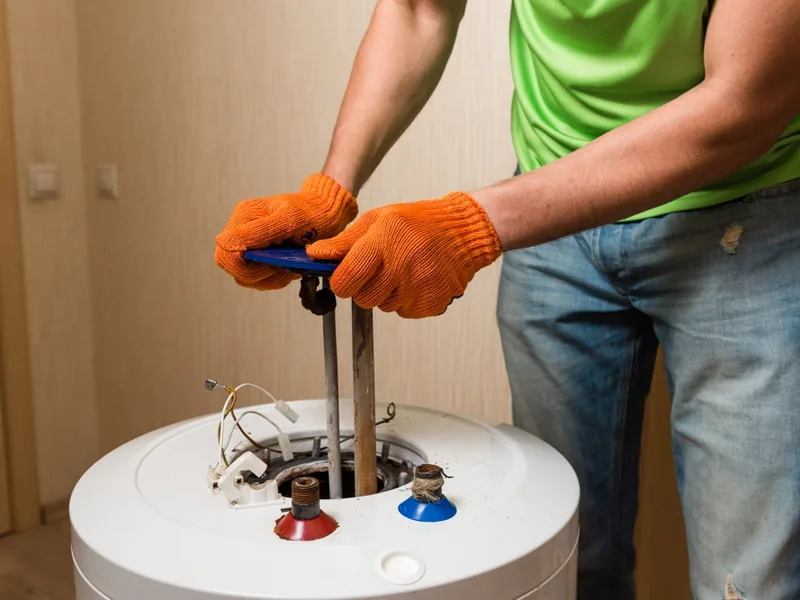
Why Berkley's Water Shortens Anode Rod Life
If there's one ZIP code in our service area where anode rods earn their keep, it's 02779. Berkley runs overwhelmingly on private wells, and the groundwater here is mineral-heavy and often slightly acidic — exactly the chemistry that devours sacrificial anodes. A magnesium rod that might last six years on city water can be gone in two to three in Berkley, and once it's gone the tank starts sacrificing itself: first the welds, then the bottom seam, then the slow rust-through that floods a basement. We pull rods here that look like bare coat hangers after just thirty months. The smart play in Berkley is a shorter inspection interval and, for the most aggressive wells, a powered anode rod that uses a small electrical current instead of dissolving metal — it never depletes, and it ends the rotten-egg odor that plagues sulfur-prone wells. Given what a well-water tank costs to replace, the rod is the cheapest insurance in the house.
Is Your Tank Running Without Protection?
Here's the honest diagnostic we run on every 02779 service call: we read the tank's serial number for its age, check the water type feeding it, and pull the anode rod for direct inspection. A healthy rod looks like a solid metal core, maybe pitted. A dying one is thin, deeply pitted, or coated in calcium. A dead one is a bare steel wire with the sacrificial metal completely gone — and in Berkley, on Berkley's mineral-heavy private well water, we find dead ones in tanks as young as four years when well water is aggressive. The inspection also tells us about the tank: heavy rust staining around the rod port or the top fittings suggests the corrosion has spread beyond what a new rod can reverse. That's the fork in the road — a sound tank gets a fresh rod and five more years; a tank that's already rusting through gets an honest recommendation instead of a part it can't use. Either way, you get the truth, not a sales pitch.
Berkley homeowners should check the rod every two to three years, not five. Warning signs arrive early here: rusty hot water, sulfur smell at the hot tap, rumbling or popping from sediment baked onto the tank bottom, or any tank past year three with no service history.
Ninety Minutes That Add Years to Your Tank
What separates a proper rod replacement from a quick swap is everything we check while the tank is open in front of us. On every Berkley visit we read the serial number and date the tank, assess the bottom seam and welds for rust-through risk, check the drain valve's condition (a seized valve gets flagged before it becomes an emergency), test the T&P relief valve, and look at the inlet and outlet connections for the slow weeps that precede bigger leaks. Berkley's mineral-heavy private well water leaves readable signatures — the rod's condition tells us about pH and mineral load, sediment volume tells us about flushing history — and we translate all of it into plain guidance: how much life the tank likely has, what maintenance interval fits your water, and whether any companion work is worth doing now. You get a protected tank and a clear picture of its future, not just a part swapped in silence.
Berkley tanks often sit in farmhouse basements or utility rooms with plenty of headroom, which makes rod swaps straightforward — but well systems need the pump handled correctly during drain-down, and we manage that. We pull the old rod, show you its condition against a new one, and install the right alloy or a powered unit for your water chemistry.
The Rod Decision, Explained Plainly
Powered anode rods — also called impressed-current anodes — are the definitive answer for Berkley's most aggressive water. Instead of dissolving sacrificial metal, a powered rod uses a tiny electrical current from a wall outlet to halt corrosion electrochemically. It never depletes, never needs replacement, and it eliminates sulfur odor because there's no degrading magnesium for bacteria to feed on. For well supplies around 02779 that eat a magnesium rod in two to three years, the economics are compelling: one powered rod instead of three or four sacrificial swaps over the tank's life, with continuous protection throughout. Installation is the same ninety-minute visit plus plugging in a small power supply. The upfront part cost is higher than a sacrificial rod, but for aggressive-water homes in farmhouses and colonials on large well-and-septic lots, it's the last anode decision the tank will ever need.
Aluminum/zinc alloy rods are the workhorse upgrade for Berkley's problem-water homes. The alloy sacrifices more slowly than pure magnesium, so it lasts longer — often seven-plus years on the same water that eats magnesium in four — and crucially, it doesn't feed sulfur bacteria the way magnesium does. For the rotten-egg hot water complaints we see across 02779's well-water pockets, swapping magnesium for aluminum/zinc frequently ends the odor within days while restoring full corrosion protection. The tradeoff is slightly less aggressive protection than magnesium, which is irrelevant in practice for residential tanks — the alloy still vastly out-protects a depleted rod, which is the actual alternative. When a Berkley homeowner reports sulfur smell plus an aging tank, aluminum/zinc is usually our first recommendation, and the results speak at the tap.
Making the Next Rod Last Longer
The replacement is only half the job — the other half is the inspection rhythm that keeps the tank protected from here on. On Berkley's mineral-heavy private well water, the honest intervals are: municipal water, check every four to five years; mixed or moderately aggressive well water, every three; the truly aggressive well supplies around 02779, every two. 'Check' means pulling the rod and looking, not guessing from the calendar — water chemistry varies street by street, and the rod's actual condition is the only reliable gauge. In farmhouses and colonials on large well-and-septic lots, we leave every homeowner with the tank's birthdate from the serial number and a recommended next-check date written down, because the number-one reason rods die unnoticed is that nobody writes anything down. A two-minute inspection every few years is what stands between a twenty-year tank and a ten-year tank.
Here's the candid part: sometimes a new rod isn't the right answer, and we'd rather tell you than sell you. If the tank's bottom seam is already rusting through, if the jacket shows deep exterior corrosion, if the serial number says the unit is past fifteen years on aggressive water — a fresh rod buys months, not years, and the honest recommendation is planning a replacement on your schedule instead of the tank's. In Berkley's older housing, farmhouses and colonials on large well-and-septic lots included, we have this conversation regularly, and homeowners consistently prefer hearing it before the basement floods. The rod inspection is what makes the call possible: with the old rod out and the tank's condition in front of us, we can distinguish the sound ten-year-old tank that deserves five more years from the terminal fifteen-year-old that doesn't. Either way, the (833) 713-2101 visit ends with a clear plan, not a guess.
Ready When You Are: How to Reach Us
You don't need to prepare anything before we arrive — but two things help the visit go faster. First, clear a working path to the tank; in farmhouses and colonials on large well-and-septic lots that sometimes means shifting stored items in a basement or utility room, and the tech will need about three feet of headroom (we bring flex rods where that's impossible). Second, know your water: town or well, and whether the hot water has smelled like sulfur — that single detail often determines the rod alloy before we even pull the old one. Everything else we handle: water and power shutdown, pressure relief, the seized-fitting wrestling that older 02779 tanks always provide, sealant, refill, and testing. When we're done, you'll have seen your old rod, you'll know your tank's real condition, and you'll have a next-check date. That's the whole job. Reach us at (833) 713-2101.