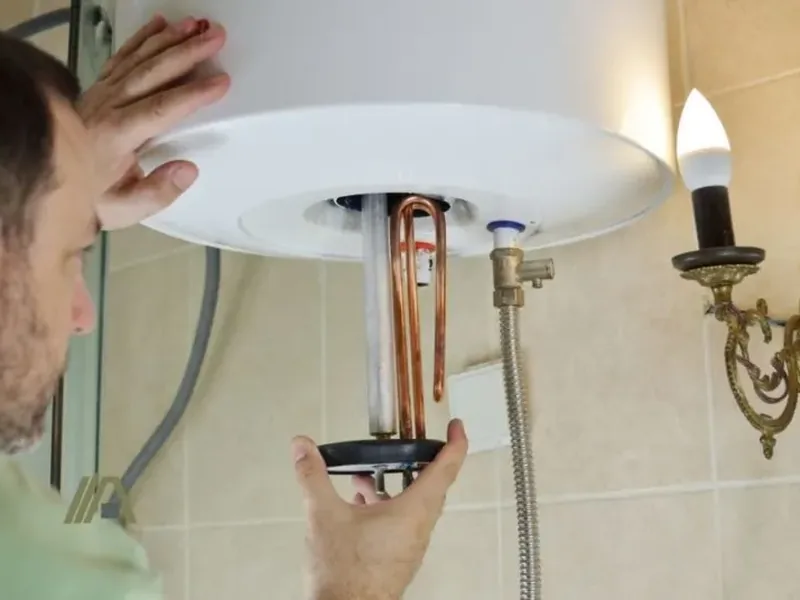
Why Foxborough's Water Shortens Anode Rod Life
Foxborough's subdivisions are full of water heaters hitting the exact age where anode rods matter most. The building waves of the nineties and 2000s put thousands of tanks into service within a few years of each other, and those tanks are now five to fifteen years old — right in the window where the factory magnesium rod is spent and the tank is running unprotected. The town's treated municipal water is consistent, which actually makes the timeline predictable: about five years per rod, then the tank starts sacrificing its own lining. In Foxborough's finished basements, that timeline carries extra weight — a rusted-through tank doesn't just leak, it ruins drywall, carpet, and everything stored in the lower level. A rod swap is the cheapest way to push a mid-life tank safely past the decade mark. We check the serial number, pull the rod, and give you a straight read on how much life the tank has left.
How to Tell Your Anode Rod Is Finished
Here's the honest diagnostic we run on every 02035 service call: we read the tank's serial number for its age, check the water type feeding it, and pull the anode rod for direct inspection. A healthy rod looks like a solid metal core, maybe pitted. A dying one is thin, deeply pitted, or coated in calcium. A dead one is a bare steel wire with the sacrificial metal completely gone — and in Foxborough, on Foxborough's municipal water, we find dead ones in tanks as young as four years when well water is aggressive. The inspection also tells us about the tank: heavy rust staining around the rod port or the top fittings suggests the corrosion has spread beyond what a new rod can reverse. That's the fork in the road — a sound tank gets a fresh rod and five more years; a tank that's already rusting through gets an honest recommendation instead of a part it can't use. Either way, you get the truth, not a sales pitch.
Foxborough's subdivision tanks usually signal with rusty first-draw hot water or a metallic taste that wasn't there last year. A tank in the 6-to-12-year range with no maintenance history, popping sounds from sediment, or crust on the hex head all mean the rod is overdue.
What Our Rod Replacement Visit Looks Like
The complication in newer subdivisions and town-center colonials is clearance: anode rods are long — often over forty inches — and many Foxborough tanks sit under low ceilings, beneath stairs, or in closets where a rigid rod physically cannot be inserted. That's why we carry segmented flexible rods, which thread in section by section and perform identically once installed. The other common complication on 02035 service calls is the seized hex head — years of mineral exposure weld the fitting in place, and the correct answer is controlled torque with the tank properly braced, not a bigger cheater bar. We also manage the details homeowners forget: well-pump isolation on well-system homes so the pump doesn't dead-head during drain-down, thermal expansion considerations on closed systems, and a check of the temperature-and-pressure relief valve while we're at the tank. It's a small job done with full professionalism — because the tank's next five years depend on these details.
Subdivision utility rooms in Foxborough are typically accessible with good headroom, so standard rigid rods usually fit — we still carry segmented flex rods for the exceptions. Water and power off, pressure relieved, old rod out and inspected, new rod matched to the tank, system refilled and checked for leaks at every fitting.
Not All Anode Rods Are the Same
Powered anode rods — also called impressed-current anodes — are the definitive answer for Foxborough's most aggressive water. Instead of dissolving sacrificial metal, a powered rod uses a tiny electrical current from a wall outlet to halt corrosion electrochemically. It never depletes, never needs replacement, and it eliminates sulfur odor because there's no degrading magnesium for bacteria to feed on. For well supplies around 02035 that eat a magnesium rod in two to three years, the economics are compelling: one powered rod instead of three or four sacrificial swaps over the tank's life, with continuous protection throughout. Installation is the same ninety-minute visit plus plugging in a small power supply. The upfront part cost is higher than a sacrificial rod, but for aggressive-water homes in newer subdivisions and town-center colonials, it's the last anode decision the tank will ever need.
The decision framework we use on 02035 service calls is straightforward. Start with the water: municipal supply without odor gets magnesium or aluminum/zinc on a five-year check rhythm. Well water with sulfur smell gets aluminum/zinc or powered — never magnesium, which feeds the odor. Aggressive low-pH well water that has eaten rods in under three years gets powered, full stop. Then consider the tank: a young tank deserves the rod that maximizes its full lifespan; a ten-year-old tank gets the rod that protects its remaining years most economically. And consider access: low-clearance installs in newer subdivisions and town-center colonials may dictate segmented flex rods regardless of alloy. We walk every Foxborough homeowner through this in plain language, with the old rod in hand as evidence — because the right rod is the one matched to your water, your tank, and your house.
After the Swap: Protecting Your Investment
The anode rod doesn't work alone — it's half of a two-part protection system, and the other half is flushing. Foxborough's municipal water lays down sediment in every tank: mineral particulate that settles to the bottom, buries the lower heating element or insulates the burner, and creates the popping and rumbling Foxborough homeowners hear from neglected units. Sediment also matters for the rod's world: a tank choked with sediment runs hotter at the bottom, accelerating the corrosion chemistry the rod is fighting. That's why our 02035 rod visits include a drain-valve check and usually a flush — the fresh rod protects the steel while the flush removes the sediment working against it. Going forward, annual flushing plus the rod-check rhythm above is the complete maintenance program, and it's the difference between tanks that die at ten years and tanks that serve at twenty.
Here's the candid part: sometimes a new rod isn't the right answer, and we'd rather tell you than sell you. If the tank's bottom seam is already rusting through, if the jacket shows deep exterior corrosion, if the serial number says the unit is past fifteen years on aggressive water — a fresh rod buys months, not years, and the honest recommendation is planning a replacement on your schedule instead of the tank's. In Foxborough's older housing, newer subdivisions and town-center colonials included, we have this conversation regularly, and homeowners consistently prefer hearing it before the basement floods. The rod inspection is what makes the call possible: with the old rod out and the tank's condition in front of us, we can distinguish the sound ten-year-old tank that deserves five more years from the terminal fifteen-year-old that doesn't. Either way, the (833) 713-2101 visit ends with a clear plan, not a guess.
Here's How Easy This Is
You don't need to prepare anything before we arrive — but two things help the visit go faster. First, clear a working path to the tank; in newer subdivisions and town-center colonials that sometimes means shifting stored items in a basement or utility room, and the tech will need about three feet of headroom (we bring flex rods where that's impossible). Second, know your water: town or well, and whether the hot water has smelled like sulfur — that single detail often determines the rod alloy before we even pull the old one. Everything else we handle: water and power shutdown, pressure relief, the seized-fitting wrestling that older 02035 tanks always provide, sealant, refill, and testing. When we're done, you'll have seen your old rod, you'll know your tank's real condition, and you'll have a next-check date. That's the whole job. Reach us at (833) 713-2101.