Anode Rod Replacement: The Complete Guide for Attleboro Homeowners
The anode rod is the one part standing between your water heater tank and rust-through. This guide explains what it does
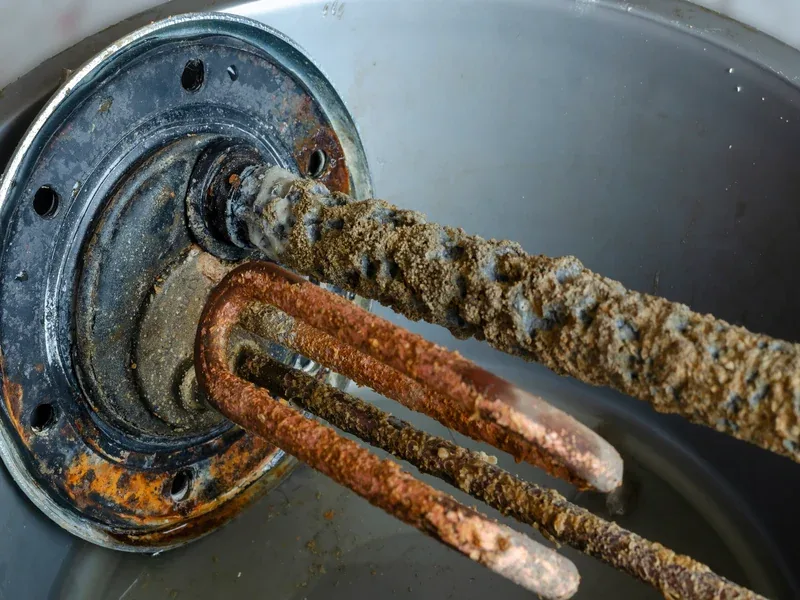
Buried inside every tank-style water heater is a metal rod most homeowners never think about — until the tank starts leaking. The anode rod is the single most important wear part in your water heater, and replacing it on schedule is the cheapest way to add years to your tank's life. If you live in Attleboro, where municipal water runs moderately hard and many surrounding homes draw from private wells, your anode rod is working overtime.
This guide walks through what an anode rod does, the four types available, the signs yours is failing, and a step-by-step replacement you can handle in about an hour. We will also cover when the job is better left to a pro — call Water Heater Leak Repair Crew at (833) 713-2101 if you would rather not wrestle with a seized rod.
What an Anode Rod Actually Does
Steel water heater tanks would rust from the inside out in just a few years if left to themselves. The anode rod solves this with a clever bit of chemistry called galvanic corrosion. The rod — made of magnesium, aluminum, or zinc alloy — is more reactive than the steel tank. Corrosive elements in the water attack the rod first, sacrificing it while the tank walls stay intact. That is why it is called a sacrificial anode.
The rod hangs from the top of the tank on a hex-head plug and extends down into the water. As long as enough rod material remains, the tank is protected. Once the rod is fully consumed, corrosion turns its attention to the tank itself — and tank leaks follow, often within a year or two. Replacing a ten-dollar-style wear part beats replacing a whole heater, which is why this maintenance matters so much.
The 4 Types of Anode Rods
Not all anode rods are identical. Here is what you will find at the supply house:
- Magnesium rods: The most common factory-installed rod. They offer the strongest protection but get consumed fastest, especially in hard or softened water. Best for most Attleboro homes on municipal water.
- Aluminum/zinc rods: Longer-lasting and the go-to fix for rotten-egg sulfur smells, since the zinc discourages the bacteria reaction that causes the odor. Slightly less protective than magnesium.
- Powered (impressed-current) rods: Instead of sacrificing metal, these plug into an outlet and use a small electric current to stop corrosion. They never need replacing and are excellent for well-water homes with aggressive water chemistry.
- Flexible/segmented rods: Built in linked sections so they bend. Essential when your ceiling is too low to slide a full-length rigid rod in — a common situation in Attleboro basements and crawl spaces.
6 Signs Your Anode Rod Is Failing
Your water heater will not send you a notification. Watch for these clues:
- Rotten-egg smell in hot water only: The classic sign. Sulfate-reducing bacteria react with a depleted magnesium rod. If cold water smells fine, the rod is the prime suspect.
- Rusty or discolored hot water: When the rod can no longer protect the tank, the steel starts contributing rust to your water.
- The heater is over 5 years old and the rod was never checked: In Attleboro's water conditions, a magnesium rod can be substantially consumed within 3 to 5 years.
- Metallic taste in hot water: Another early corrosion indicator.
- You can see the steel core wire: If you pull the rod and see mostly bare wire with the alloy eaten away, it is done.
- The rod is coated in calcium: Heavy scale buildup insulates the rod from the water, rendering it useless even if metal remains.
How Attleboro Water Affects Anode Life
Attleboro's municipal supply is moderately hard, and hardness accelerates anode consumption because dissolved minerals make the water more conductive — which speeds the galvanic reaction. Homes on private wells in the surrounding area often face iron, manganese, or low pH, all of which chew through rods even faster. If you have a water softener, note the trade-off: softened water is more aggressive toward anode rods, so softener owners should inspect rods every two years rather than three.
The practical takeaway: Attleboro homeowners should check the anode rod every 2 to 3 years, not the 5-year interval you might see in generic advice written for soft-water regions. Mark it on the same schedule as your annual tank flush.
How to Inspect Your Anode Rod
Inspection takes about 20 minutes. Turn the water heater to pilot (gas) or switch off the breaker (electric), then shut off the cold-water inlet valve. Open a hot tap somewhere to relieve pressure. The anode rod lives under a hex-head plug on top of the tank — sometimes hidden under a plastic cap or beneath the factory insulation.
Use a 1-1/16 inch socket with a breaker bar to loosen the plug. These are often extremely tight from the factory; a cheater pipe over the breaker bar helps. Pull the rod straight up. If more than 6 inches of core wire is exposed, or the rod is thinner than about half an inch, or it is caked in scale, replace it. If it looks mostly intact, you can reinstall it and check again in a year or two.
Step-by-Step Replacement
With the old rod out, wrap the new rod's threads with Teflon tape (three to four wraps, clockwise). Lower it into the tank — use a segmented rod if headroom is tight — and tighten the plug snugly with the socket. Do not overtighten; the tank's threaded spud can crack. Turn the water back on, check for drips at the plug, then restore power or relight the pilot.
Run hot water at a tap for a few minutes to purge air. If you switched to an aluminum/zinc rod to fight sulfur odor, give it a day or two — the smell fades as the new rod establishes itself. One caution: if the old rod will not budge even with a breaker bar, stop. Forcing it can twist the whole tank or crack the top. That is a job for a pro with an impact wrench — call (833) 713-2101 and we will handle it without damaging the heater.
When Replacement Is Not Enough
A new anode rod protects a sound tank; it cannot resurrect a failing one. If your heater is already leaking from the tank body, producing rusty water from every hot tap, or is past 12 years old with no maintenance history, a rod replacement is throwing good money after bad. In that case, start planning for a new unit. But if the tank is solid and under 10 years old, a fresh rod is one of the highest-value maintenance moves in homeownership.
Need a hand in Attleboro? Water Heater Leak Repair Crew replaces anode rods, flushes tanks, and tracks down the real cause of rusty or smelly hot water. Call (833) 713-2101 — we answer around the clock.