Pilot Light Troubleshooting: Relight Safely and Fix Repeat Outages
No pilot, no hot water — but relighting is a ten-minute job once you know the safe sequence. Learn how to relight it, wh
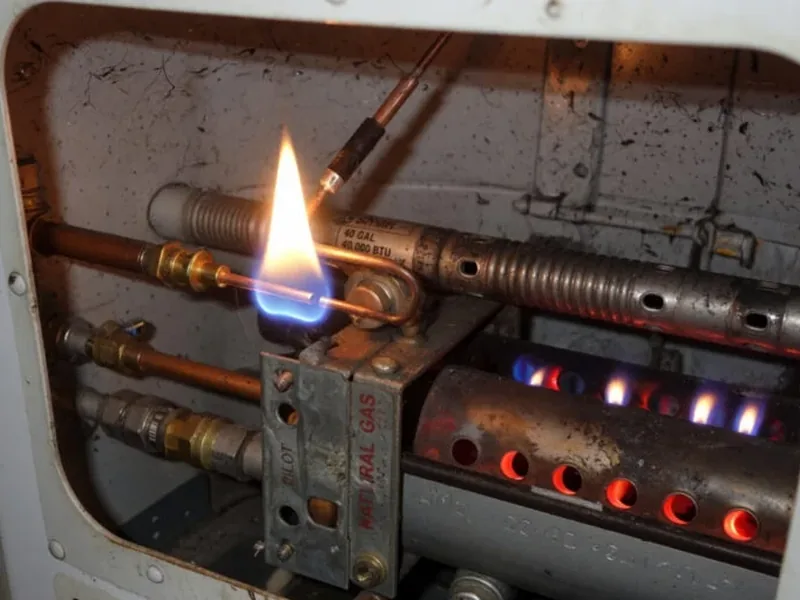
No pilot light, no hot water — it is that simple on a gas water heater. The good news is that a pilot outage is one of the most fixable water heater problems there is, and relighting takes about ten minutes once you know the sequence. The important part is knowing when relighting is safe and when the pilot is trying to tell you something is wrong.
This guide walks through safe relighting step by step, then covers the reasons pilots go out — from a dirty thermocouple to downdrafts — so you fix the cause, not just the symptom. Gas safety comes first throughout. If anything here feels uncertain, call Water Heater Leak Repair Crew at (833) 713-2101 instead.
Safety First: When NOT to Relight
Do not attempt to relight the pilot if you smell gas — that rotten-egg odor means gas is accumulating, and any flame or spark (including a light switch) is dangerous. Leave the house and call your gas utility from outside. Also do not relight if the area around the heater smells of gas after the pilot has been out a while with the gas still on, if you see scorch marks or melted components, or if the heater has been flooded. When in doubt, wait for a professional.
How to Relight the Pilot: Step by Step
Most modern gas water heaters use a similar sequence. Yours may have a piezo igniter button or require a long lighter — check the lighting instructions printed on the heater's label first, since they override any generic guide.
- Step 1: Turn the gas control knob to OFF and wait a full five minutes. This lets any accumulated gas dissipate. Do not rush this.
- Step 2: Turn the knob to PILOT. Press and hold the knob (or a separate pilot button) — this manually opens the pilot gas flow.
- Step 3: While holding the knob down, press the igniter button repeatedly until the pilot lights. You should see a small blue flame through the sight glass. If there is no igniter, use a long barbecue lighter at the pilot assembly.
- Step 4: Keep holding the knob down for 30 to 60 seconds after the pilot lights. This heats the thermocouple, which then holds the pilot valve open on its own.
- Step 5: Release the knob slowly. If the pilot stays lit, turn the knob to ON and set your temperature (120 degrees is the standard safe setting).
- Step 6: If the pilot goes out when you release the knob, repeat the sequence once more, holding the knob down a full 90 seconds the second time.
Why Pilots Go Out: The Common Causes
Dirty or weak thermocouple: The number-one cause. The thermocouple is the thin copper probe in the pilot flame that signals the gas valve to stay open. Soot, corrosion, or simple age weakens its output. Cleaning it with fine emery cloth often fixes the problem; replacement is cheap and straightforward.
Pilot orifice clogged: A tiny opening meters gas to the pilot, and it clogs with dust and debris over time. A weak, small, or yellow pilot flame that lifts off the thermocouple points here. The orifice can be cleaned, but it is delicate — compressed air or a professional cleaning, not a pin that enlarges the hole.
Downdrafts: Strong drafts down the vent — common during Attleboro windstorms or when a nearby exhaust fan, dryer, or fireplace changes the house's air pressure — can blow the pilot out. If outages cluster on windy days, venting and draft are suspects.
Faulty gas control valve: If a new thermocouple and clean pilot assembly still will not hold a flame, the valve's internal pilot magnet has failed. See our gas control valve guide — replacement is professional work.
Gas supply interruption: Utility work, an empty propane tank, or a partially closed supply valve starves the pilot. Check that other gas appliances work.
The Pilot Lights But Will Not Stay Lit
This specific symptom deserves its own note because it is so common and so diagnosable. If the pilot burns fine while you hold the knob but dies the instant you release it, the thermocouple circuit is not holding the valve open. Run through this order: hold the knob longer (a cold thermocouple needs more heat), check that the thermocouple tip sits squarely in the pilot flame (it should glow), clean any soot off the probe, tighten the thermocouple connection at the gas valve (loose connections break the millivolt circuit), and if all that fails, replace the thermocouple. Only after a new thermocouple fails should you suspect the valve.
Preventing Repeat Outages
Vacuum dust from around the burner compartment annually — dust is the pilot orifice's worst enemy. Keep the area around the heater clear so combustion air flows freely. In Attleboro's older basements, watch for new air-pressure changes: a newly installed dryer, range hood, or bathroom fan can create negative pressure that tugs at the pilot. And if your heater is over 12 years old with recurring pilot problems, the pattern may be telling you the unit is nearing retirement rather than suffering isolated faults.
Pilot problems that will not quit? Water Heater Leak Repair Crew services gas water heaters across Attleboro — thermocouples, pilot assemblies, gas valves, and full diagnostics. Call (833) 713-2101, any time.