Water Heater Leak Detection: The 10-Minute Monthly Inspection
Most water heater leaks start as tiny weeps weeks before they flood. This 10-minute monthly inspection routine — plus si
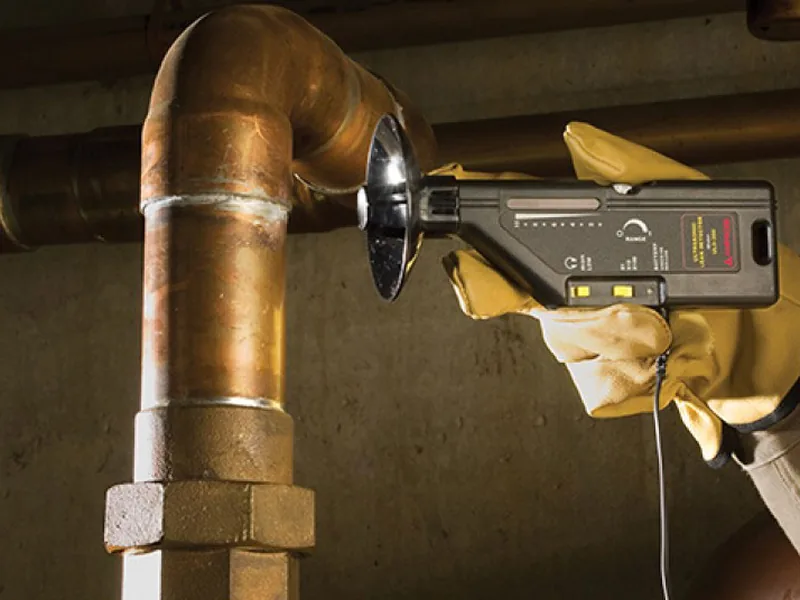
Most water heater leaks do not start as floods. They start as a slow weep at a fitting, a damp spot under the discharge pipe, a faint mineral trail down the tank — small clues that sit quietly for weeks before becoming a real problem. Learning to spot leaks early is the difference between a simple fitting fix and a flooded basement. The whole inspection takes ten minutes.
This guide gives you a systematic leak-detection routine: where to look, what each clue means, simple tests that confirm a leak's source, and when to call for help. If you find active leaking now, Water Heater Leak Repair Crew responds around the clock at (833) 713-2101.
The 10-Minute Monthly Inspection
Pick a consistent time — the first of the month works — and walk through this sequence. Bring a flashlight; basements are dim and leaks hide in shadows.
- Start at the top: Check the cold inlet and hot outlet fittings for drips, green/white corrosion crust, or rust streaks running down the tank. Feel the pipes — active drips are obvious by touch.
- Check the T&P relief valve and its discharge pipe: Look for water at the pipe's end or mineral staining below it. Occasional dripping here usually means a pressure issue, not a bad valve.
- Scan the tank body: Look for rust streaks, blisters in the paint, or damp patches on the shell — especially near the bottom and around seams.
- Inspect the drain valve: That spigot at the bottom is a notorious drip point. Look for droplets at the spout and mineral trails below it.
- Electric units — check the access panels: Remove the upper and lower panels and look inside for moisture or rust around the elements. Drips here mean failing element gaskets.
- Check the floor and drain pan: Look in and around the pan for standing water, dampness, or water stains. If the pan has a drain line, make sure it is not clogged.
- Sniff for gas (gas units): Any rotten-egg odor near the heater means leave and call the gas utility — not a leak-detection exercise.
Confirming the Source: Simple Tests
Water travels, so the wet spot is not always the leak. These tests pin it down:
The dry-and-watch test: Dry the entire area thoroughly with towels — tank base, fittings, floor. Wait an hour without using hot water, then check with a dry hand or tissue exactly where moisture reappears first. The first wet point is the source.
The paper towel wrap: Wrap dry paper towels around suspect fittings and pipes, secured loosely. Check after a few hours — the wettest towel marks the leaker. This is especially useful for telling whether a top fitting is dripping down the tank (making the bottom look guilty).
The tissue test for the T&P pipe: Hold a tissue at the discharge pipe's end after the heater has run a full cycle. Dampness confirms relief-valve weeping, which points to pressure/expansion issues.
Condensation vs. leak: In humid weather or with a newly filled cold tank, the tank sweats. Condensation appears as uniform fine moisture that dries once the tank reaches temperature; a leak is localized and persistent. If the wetness vanishes after the heater runs a full cycle, it was condensation.
Reading the Clues: What Each Sign Means
- White or green crust on fittings: Slow long-term weeping that evaporates and leaves mineral deposits. The fitting needs attention — tightening, resealing, or replacement.
- Rust streaks running down the tank: Water has been traveling down the shell, either from a top fitting or from the shell itself. Trace upward to find the origin.
- Water only under the discharge pipe: Relief valve activity — investigate system pressure and the expansion tank.
- Dampness that appears only after heavy hot-water use: Expansion-related weeping or a fitting that opens under thermal cycling.
- Standing water with no visible source: Could be a bottom seam leak, a slab/floor issue, or water migrating from elsewhere. Dry-and-watch is your best tool here.
Tools That Help
A ten-dollar moisture meter from the hardware store takes the guesswork out of damp-vs-dry on floors and walls around the heater. A basic infrared thermometer can reveal cold spots suggesting active evaporation. And your phone's camera with flash documents the slow changes month to month — a photo log of that suspicious fitting tells you whether it is stable or worsening. None of this is required, but it turns vague worry into concrete information.
Attleboro-Specific Watch Points
Basement installations — the norm in Attleboro's capes, colonials, and ranches — deserve extra attention because leaks go unnoticed longer in spaces you visit rarely. If your heater sits in a finished basement, the stakes are higher: water finds drywall, carpet, and stored belongings fast. Consider a simple battery-powered water alarm in the drain pan — a twenty-dollar device that screams when water touches it, and the cheapest leak insurance you can buy. Also watch for the area's hard-water mineral trails: Attleboro water leaves obvious white crust where it weeps, which actually makes slow leaks easier to spot here than in soft-water regions — if you look.
When Detection Becomes a Service Call
Call for help when: the leak is from the tank shell itself (replacement needed), you cannot identify the source after the dry-and-watch test, multiple fittings are corroded, the relief valve is actively discharging, or any leak is near electrical components or the gas control. And if water is flowing rather than weeping, skip the detective work — shut off water and energy and call immediately.
Found something suspicious? Water Heater Leak Repair Crew tracks down water heater leaks fast and fixes them right — fittings, valves, gaskets, or full replacement when the tank is done. Call (833) 713-2101, day or night.