Water Heater Noises Explained: What Each Sound Means
Popping, rumbling, hissing, banging — every water heater noise has a specific cause. Learn what each sound means, how ur
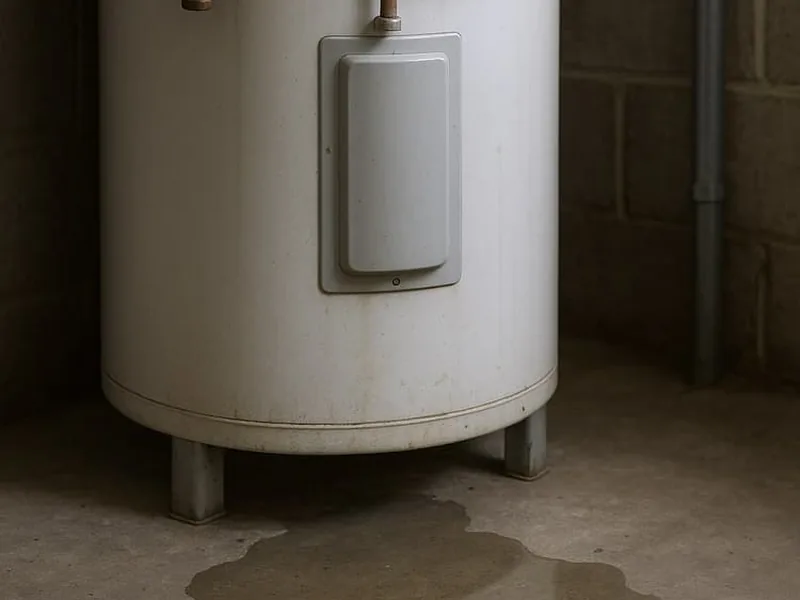
Your water heater should be boring. A faint hum during heating, maybe a soft click as the thermostat switches — that is the entire soundtrack of a healthy unit. So when it starts popping like popcorn, rumbling like a distant engine, or banging loud enough to hear upstairs, it is telling you something specific. Each noise has a cause, and most of them are diagnosable by sound alone.
This guide translates every common water heater noise: what it sounds like, what causes it, how urgent it is, and what fixes it. If a noise appeared suddenly or is getting worse, call Water Heater Leak Repair Crew at (833) 713-2101 — we will identify it on site.
Popping and Crackling: Sediment (Most Common)
The classic: sharp popping, crackling, or percolating sounds during heating, like a coffee maker. This is water trapped under a layer of sediment at the tank bottom flashing to steam. Each pop is a steam bubble forcing its way through mineral scale. It is the number-one noise complaint in hard-water areas like Attleboro, and it means the tank bottom is being overheated — the burner or element is superheating the sediment layer because heat cannot reach the water efficiently. Fix: flush the tank thoroughly. If the sediment has hardened into scale over years of neglect, flushing helps less, but it is still worth doing. Persistent heavy popping on an old tank is a lifespan warning.
Rumbling and Low Roaring
A deeper version of the same problem: a thick sediment blanket makes the whole tank bottom flex and rumble as water boils beneath the scale. Think of it as popping grown up. The urgency is higher here because sustained overheating of the tank bottom weakens the steel and can warp it. Flush promptly. On gas units, rumbling paired with soot or a yellow burner flame suggests the overheating is also affecting combustion — get it checked.
Ticking and Tapping
Light ticking as the heater warms up or cools down is usually just thermal expansion — metal parts, pipes, and straps expanding and contracting at different rates. It is normal and harmless if it is quiet and consistent. Ticking that is new, loud, or localized to one pipe run may be a pipe strapped too tightly, rubbing as it moves. Loosening or padding the strap fixes it. This is the one noise you can usually file under character rather than problem.
Hissing
Hissing means water meeting something very hot — or escaping under pressure. A faint hiss during heavy use can be condensation dripping onto the burner (common on new fills or in humid basements). A louder, persistent hiss near a fitting or valve suggests an active leak flashing to steam on a hot surface — investigate promptly. Hissing from the relief valve area means the valve is relieving pressure; check system pressure and the expansion tank. And a hiss from inside an electric unit's access panel is not normal — cut power and call for service.
Banging and Water Hammer
A single loud bang when a faucet or appliance shuts off is water hammer — the shockwave of suddenly stopped water. It is a plumbing-system issue rather than a heater defect, but heaters feel it: repeated hammering stresses tank fittings and the expansion tank. If banging started or worsened recently, check that the expansion tank is functional and consider water hammer arrestors on fast-closing valves (washing machines, dishwashers). Banging during the heating cycle itself, distinct from fixture shutoff, can indicate severe sediment or a failing dip tube breaking up — both worth a look.
Sizzling and Dripping Sounds
Sizzling inside the tank area usually means water dripping onto a hot surface — a leak above the burner on gas units, or onto a hot element on electrics. Find the drip: it is either a fitting leak from above or, worse, the tank shell weeping. Either way, sizzling means active water where it should not be, and it deserves prompt attention before it becomes a visible leak.
High-Pitched Whining or Screeching
A whine that appears when hot water flows often comes from a partially closed valve or a restricted passage vibrating — check that the inlet valve is fully open. On tankless units, whining or screeching during operation frequently points to scale-restricted flow through the heat exchanger: the descaling reminder, delivered audibly. On tank units, a screech from the relief valve means it is passing water at high velocity — a pressure problem, not a valve problem.
Gurgling (Tankless Units)
Tankless heaters gurgle when air is trapped in the heat exchanger or the condensate drain is partially blocked. It often appears after service or a power interruption. Usually it clears with normal operation; persistent gurgling with error codes or reduced hot water output means the unit needs service — often descaling.
When a Noise Means Act Now
Most noises are maintenance reminders, not emergencies. The exceptions: any noise accompanied by the smell of gas (leave and call the utility), rumbling with visible tank distortion or leaking, electrical buzzing or crackling from an electric unit (cut power, call for service), and sudden loud banging with water flow changes (possible major component failure). Everything else can be diagnosed methodically — starting with a flush, which resolves the great majority of noise complaints in Attleboro's hard water.
Heater making strange sounds? Water Heater Leak Repair Crew will listen, diagnose, and fix it — usually the same visit. Call (833) 713-2101 anywhere in the Attleboro area.