Water Heater Pressure Issues: High, Low, and How to Fix Both
Dripping relief valves, hammering pipes, weak hot-water flow — all roads lead to pressure. Learn to measure yours, and f
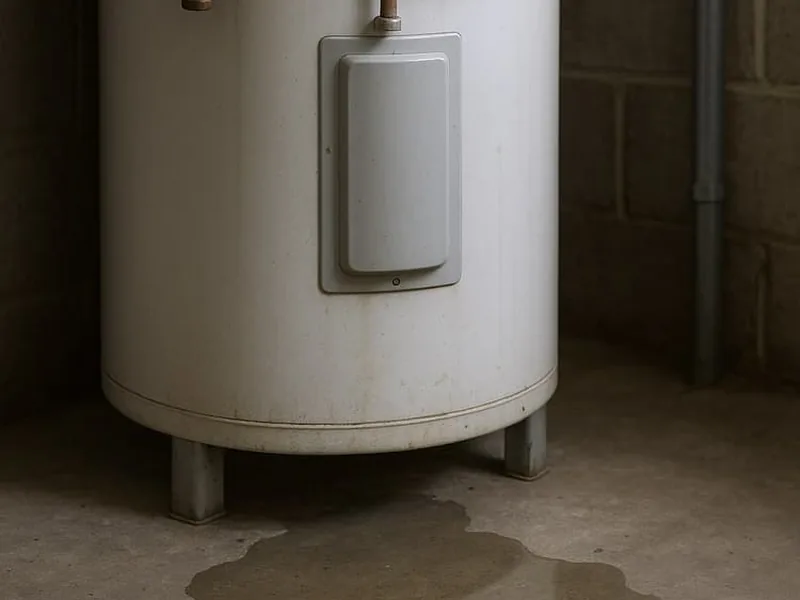
Water pressure problems rarely announce themselves clearly. Instead they show up as symptoms scattered around the house: a relief valve that drips, shower flow that pulses, pipes that hammer, a water heater that seems to be working too hard. All of these can trace back to pressure — too high or too low — in the system feeding your water heater. Understanding the pressure side of your plumbing turns a confusing set of symptoms into one coherent picture.
This guide explains normal pressure ranges, how to measure yours, what high and low pressure each do to a water heater, and how to fix both. If pressure issues are dripping, hammering, or leaking at your house, call Water Heater Leak Repair Crew at (833) 713-2101.
What Normal Water Pressure Looks Like
Residential water pressure is measured in psi (pounds per square inch). The comfortable, safe range for a home is roughly 40 to 80 psi, with 50 to 60 being the sweet spot most plumbers aim for. Below 40, showers feel weak and appliances fill slowly. Above 80, you are in the stress zone: supply lines, appliance hoses, faucet cartridges, and water heater components all wear faster, and the relief valve starts doing overtime. Pressure is not constant either — municipal supply pressure fluctuates through the day, and thermal expansion spikes it every time the water heater runs.
How to Measure Your Pressure
You need a ten-dollar water pressure gauge with a lazy hand (a needle that stays at the peak reading) — available at any hardware store. Screw it onto an outdoor hose bib or the water heater's drain valve, open the tap fully, and read the static pressure. Then leave it in place for 24 hours, or at least through a full water-heater heating cycle, and check the peak the lazy hand recorded. That peak number is the important one: static pressure might read a fine 60 psi while expansion spikes hit 120 after every heating cycle. Measure twice — once for the baseline, once for the peak.
High Pressure: Causes and Damage
Cause 1 — Failed expansion tank: The most common cause of high peak pressure in homes. In closed plumbing systems (standard in Attleboro), heated water has nowhere to expand, so each cycle spikes pressure until the relief valve weeps. If your static pressure is normal but peaks are high, check the expansion tank first.
Cause 2 — Pressure-reducing valve (PRV) failure or misadjustment: Many homes have a PRV where the main enters, stepping municipal pressure down to house-safe levels. A failed or misadjusted PRV lets full street pressure — sometimes 100+ psi — into the house. If your static pressure reads above 80, the PRV is the suspect.
Cause 3 — Thermal expansion with no tank at all: Some older installations never got an expansion tank. Adding one is the fix.
The damage from chronic high pressure is cumulative and quiet: dripping relief valves, prematurely failing washing machine hoses and dishwasher valves, faucet cartridges that wear out yearly, water hammer, and constant stress on the water heater's tank and fittings. It is one of the most underdiagnosed causes of shortened water heater life.
Low Pressure: Causes and Fixes
Low pressure at the water heater usually shows up as weak hot-water flow while cold runs fine — pointing at the heater or its connections rather than the house supply.
- Sediment-clogged pipes and valves: Scale buildup narrows the hot-water outlet, dip tube area, and shutoff valves. Flushing the tank and checking that the inlet valve is fully open are the first steps.
- Failing dip tube: The dip tube carries cold water to the tank bottom. When it cracks or disintegrates, cold water mixes at the top — giving lukewarm water that feels like a pressure/flow problem. White plastic flecks in faucet aerators are the giveaway.
- Partially closed shutoff valve: Check that the cold-water inlet valve at the heater is fully open. Gate valves in particular can feel open while being half-closed internally.
- Kinked or corroded supply lines: Flexible connectors can kink; old galvanized nipples corrode shut from the inside.
- Whole-house low pressure: If hot and cold are both weak everywhere, the issue is upstream — municipal supply, a failing PRV stuck too low, or a partially closed main valve.
Fixing High Pressure: The Right Order
Do not start by replacing the relief valve — it is the messenger. First, measure static vs. peak pressure to characterize the problem. If static is high (over 80), adjust or replace the PRV at the main. If static is fine but peaks are high, service the expansion tank: check its air charge against house pressure, recharge if low, replace if waterlogged. Confirm the fix by remeasuring peak pressure over a full heating cycle — it should stay comfortably under 80. Only if the relief valve still dribbles with pressure controlled should the valve itself be replaced.
The Attleboro Pressure Picture
Attleboro's municipal system delivers water through infrastructure that includes backflow prevention — meaning closed systems and mandatory expansion control in nearly every home. Neighborhood elevation changes also mean static pressure varies noticeably across town: homes near the supply source or at lower elevations can see higher street pressure, making a correctly set PRV more important. If you have never measured your home's pressure, the gauge test above is fifteen minutes well spent — many Attleboro homeowners discover their static pressure is fine but their expansion tank died years ago, and every heating cycle has been hammering their plumbing ever since.
Pressure problems — dripping valves, hammering pipes, weak flow? Water Heater Leak Repair Crew measures, diagnoses, and fixes the whole pressure picture: PRVs, expansion tanks, relief valves, and sediment. Call (833) 713-2101 in the Attleboro area.