Water Heater Replacement Cost Factors: What Drives the Price
What drives the cost of replacing a water heater? Ten factors — from fuel type and venting to accessibility and timing —
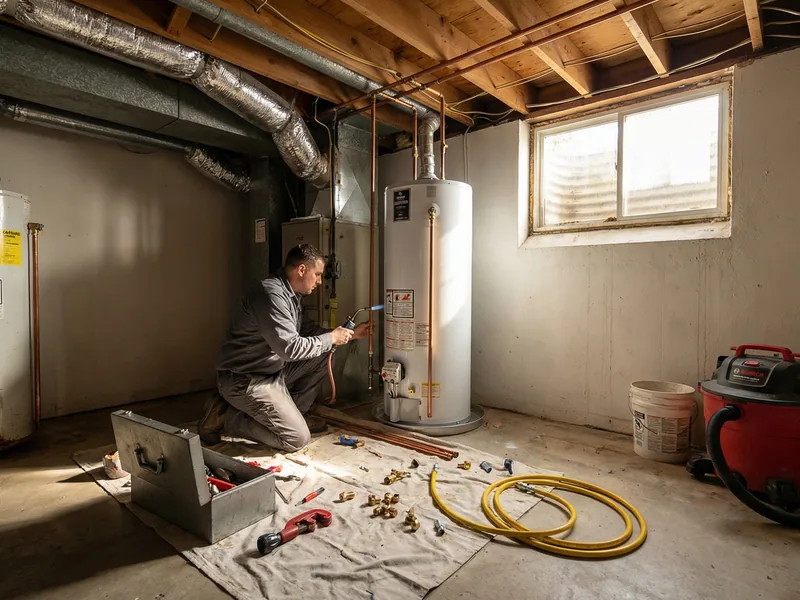
When a water heater reaches the end of its life, the first question is usually what the replacement will cost — and the honest answer is that it depends on a dozen factors, some obvious and some invisible until the old unit comes out. This guide does not quote prices (every home and market differs); instead it lays out every factor that moves the number, so you can understand estimates, compare options fairly, and avoid surprises.
If you are weighing replacement in Attleboro, Water Heater Leak Repair Crew will assess your situation and walk through your options clearly — call (833) 713-2101 for a straight conversation about what your home needs.
Factor 1: Fuel Type and Switching Fuels
Gas, electric, and propane units differ in equipment and installation complexity. Staying with your current fuel type is almost always the simplest path: the gas line or electrical circuit already exists and is sized for the job. Switching fuels — say, gas to electric or adding propane — introduces new infrastructure: gas piping or upgraded electrical service, possibly panel work. The switch can make sense for long-term reasons, but it adds meaningful scope to the project.
Factor 2: Tank vs. Tankless
Tank and tankless units are different projects, not just different boxes. Tankless units typically need larger gas lines (they burn hotter and faster than tank units), upgraded venting (often direct-vent or concentric vent through a side wall rather than the existing chimney), and sometimes electrical upgrades for their controls and freeze protection. Retrofitting tankless into a home built for a tank involves reworking several systems at once. None of this is prohibitive — tankless retrofits happen every day — but it is why comparing a tank quote to a tankless quote is apples to oranges.
Factor 3: Capacity and Household Demand
Bigger households need bigger capacity — a larger tank or a higher-flow tankless unit — and capacity steps affect equipment selection. Just as important is getting the sizing right: an undersized unit cycles excessively and satisfies nobody, while a wildly oversized one wastes energy and money. A good assessment looks at simultaneous uses (showers plus dishwasher plus laundry), not just bedroom count.
Factor 4: Venting Requirements
Venting is one of the biggest hidden variables. A straightforward like-for-like tank swap reuses the existing vent. But relocating the unit, switching to tankless, or bringing an old installation up to current standards can mean new vent routing — through walls, roofs, or chimneys — and each routing challenge adds labor and materials. Power-vent and direct-vent units solve difficult venting situations but bring their own electrical and venting needs.
Factor 5: Location and Accessibility
Where the heater lives matters enormously. A unit in an open basement with a walkout is a fast swap. The same unit in a cramped crawl space, a tight closet with 6 inches of clearance, an attic, or a finished basement where floors must be protected takes far longer — and tight spaces sometimes require disassembling the old unit to get it out. Attleboro's older capes and colonials are famous for water heaters wedged into creative corners; accessibility is a real line item in those homes.
Factor 6: Code and Safety Upgrades
Replacements must meet current standards, and a heater installed 15 years ago predates several of them. Common additions during replacement include: an expansion tank (required on closed systems — nearly all Attleboro homes), a proper drain pan with drainage where the unit sits over finished space, updated shutoff valves, dielectric unions to prevent galvanic corrosion between dissimilar metals, proper T&P discharge piping, and seismic strapping in some jurisdictions. Each is inexpensive alone; together they are a meaningful part of a proper installation. Be wary of any quote that skips them — they exist for safety and longevity.
Factor 7: Water Quality Equipment
Attleboro's moderately hard water shortens heater life, and a replacement is the natural moment to address it. Some homeowners add sediment filters, scale inhibitors, or softening at replacement time to protect the new unit from day one. This is optional but strategically smart: protecting a new heater from the water conditions that killed the old one extends the investment.
Factor 8: Permits and Inspections
Water heater replacement typically requires a plumbing permit and inspection. Permit fees vary by municipality, and the inspection itself is a consumer protection — an independent check that gas connections, venting, and safety devices are correct. Any legitimate installation includes this step.
Factor 9: Removal and Disposal
The old unit does not vanish. Draining, hauling out (often up basement stairs), and proper disposal or recycling of a 150-pound steel tank — plus any sediment, which can be substantial — is real labor that belongs in the project scope.
Factor 10: Timing — Planned vs. Emergency
The single biggest cost factor is often timing. A planned replacement lets you get multiple assessments, choose equipment deliberately, and schedule at convenience. An emergency replacement — water on the floor, no hot water — compresses all of that into hours, usually with after-hours or expedited scheduling. If your heater is past 10 years old, the most economical move is starting the conversation before it fails. Planning is free; emergencies are not.
How to Compare Estimates Fairly
When you collect estimates, compare scope — not just the bottom line. Check that each includes the same equipment tier, all code-required upgrades (expansion tank, pan, valves, discharge piping), permit and inspection, old-unit removal, and warranty terms on both equipment and labor. The lowest number with half the scope is not the better deal. Ask what happens if the old venting turns out to be unusable, or if the platform needs rebuilding — the honest answers to those questions tell you who you are dealing with.
Planning a replacement in Attleboro? Water Heater Leak Repair Crew will look at your current setup, explain your options in plain language, and give you a clear picture of what your specific installation involves. Call (833) 713-2101 — no pressure, just answers.