Water Heater Smells: What Each Odor Means and How to Fix It
Rotten eggs, metallic, musty, gas — every water heater smell means something specific. Learn to tell them apart, which a
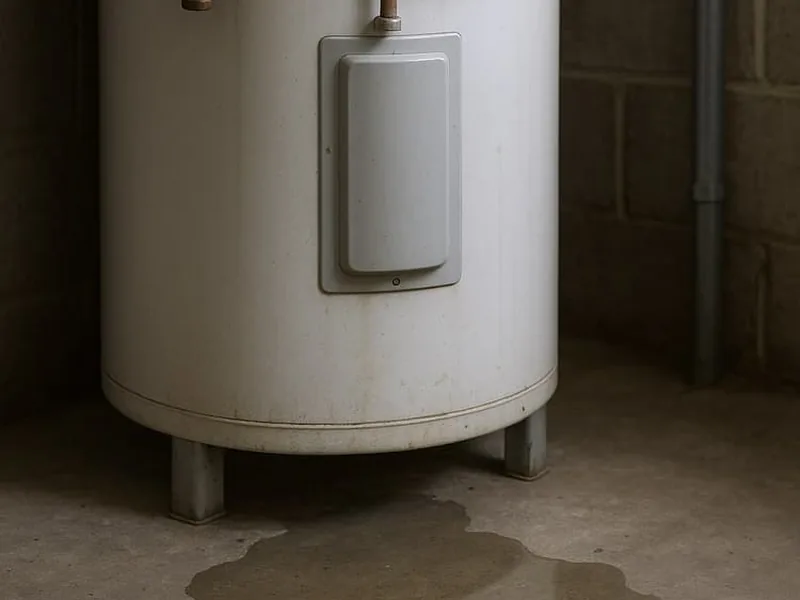
Hot water should not smell like anything. So when it comes out of the tap smelling like rotten eggs, metal, or something musty, it gets your attention fast — and it should, because each smell points to a specific cause, and one of them (gas) is a safety matter. The good news: most water heater smells are diagnosable in minutes and fixable without drama.
This guide covers every common water heater odor: what causes it, the quick test that identifies it, and the fix. One safety note up front — if you smell gas (rotten eggs) near the heater itself rather than in the water, leave and call your gas utility; that is not a water problem. For everything else, read on, or call Water Heater Leak Repair Crew at (833) 713-2101.
Smell 1: Rotten Eggs (Sulfur) in Hot Water Only
The most common water heater smell by far. If the rotten-egg odor appears only in hot water — cold water smells fine — the cause is a reaction between sulfate-reducing bacteria and your magnesium anode rod. These harmless-but-smelly bacteria thrive in the warm, low-oxygen environment of the tank, and as they feed on sulfates in the water they produce hydrogen sulfide gas. The magnesium anode intensifies the reaction.
The fix: Replace the magnesium anode rod with an aluminum/zinc alloy rod — the zinc inhibits the bacteria reaction and usually eliminates the odor within a day or two. For stubborn cases, a powered anode rod (which uses electric current instead of sacrificial metal) solves it permanently. A common folk remedy is cranking the thermostat to 140+ to kill the bacteria — it can work temporarily, but it creates a scalding hazard and the smell returns; the anode swap is the real fix. Also flush the tank to remove the sediment where bacteria harbor. Well-water homes around Attleboro see this most, since well water often carries more sulfates and bacteria than municipal supply.
Smell 2: Rotten Eggs in Hot AND Cold Water
If both taps smell, the source is your water supply, not the heater — dissolved hydrogen sulfide in well water or a water-heater-independent plumbing issue. The heater is innocent. This is a water-quality matter: testing the well water and treating it (aeration, filtration, or chlorination depending on levels) is the path. Do not replace the anode rod expecting it to fix a supply-side problem.
Smell 3: Metallic Smell or Taste
A metallic odor or taste in hot water usually means active corrosion — the anode rod is depleted and the tank's steel is contributing iron to the water. It often accompanies rusty discoloration. Check the anode rod and flush the tank; if the heater is old and the metallic character persists after service, the tank is corroding from the inside and replacement planning should begin. See our rusty water guide for the full diagnostic.
Smell 4: Musty or Earthy Odor
A musty smell around the heater (rather than in the water) typically comes from the drain pan or the surrounding area — standing water in a pan with a clogged drain grows mold and mildew happily in a warm basement. Clean the pan, clear its drain line, and check for the slow leak that is keeping it wet. If the musty smell is in the hot water itself, sediment buildup harboring bacteria is the likely cause, and a thorough flush usually resolves it.
Smell 5: Gas Odor Near the Heater
This one is different from all the others and it is urgent. Natural gas is odorized with mercaptan to smell like rotten eggs — deliberately similar to the sulfur smell, which is why people confuse them. The distinction: gas odor is in the air around the heater, strongest near gas connections and the control valve; sulfur water smell is in the water from the tap. If you smell gas in the air: do not operate switches or phones near the heater, do not try to find the leak, leave the house, and call your gas utility from outside. Every time. No exceptions.
Smell 6: Burning or Electrical Smell
A hot, acrid, or burning-plastic smell near an electric water heater suggests overheating wiring or a failing element — cut power at the breaker and call for service. Near a gas heater, a dusty burning smell on first fall startup is usually just dust burning off the burner (normal, brief). But a persistent burning smell, soot marks, or a yellow burner flame indicates combustion problems that need professional attention — incomplete combustion can produce carbon monoxide.
Smell 7: Fishy Odor
A fishy smell in hot water is occasionally reported and usually traces to bacterial activity in the tank or, less commonly, to certain rubber/plastic components (flexible connectors, dip tubes) breaking down in hot water. A flush plus anode inspection is the starting point; if it persists, the dip tube or connectors may need replacement.
The Quick Diagnostic Summary
- Hot only, rotten egg: Anode rod + bacteria — swap to aluminum/zinc rod, flush tank.
- Hot and cold, rotten egg: Water supply — test and treat the source.
- Metallic: Corrosion — check anode, assess tank age and condition.
- Musty around the unit: Pan/area moisture — clean, clear drain, find the leak.
- Gas smell in the air: Leave, call gas utility. Immediately.
- Burning/electrical: Cut power (electric) or shut down (gas), call for service.
Strange smell from your hot water? Water Heater Leak Repair Crew will identify the cause fast — anode, bacteria, corrosion, or something else — and fix it right. Call (833) 713-2101 anywhere in the Attleboro area.