Water Heater Winter Prep: The Complete Massachusetts Guide
New England winters punish water heaters — frozen pipes, dead tankless units, blocked vents. This complete winter-prep r
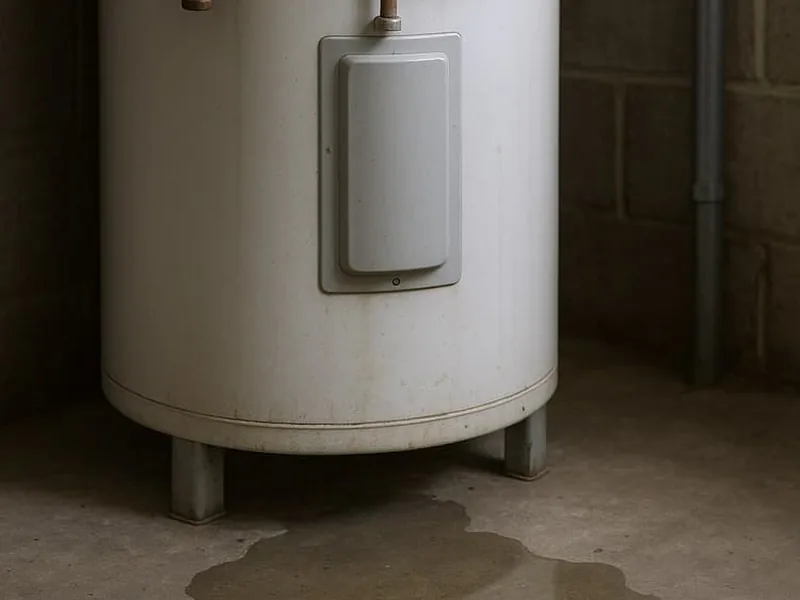
Massachusetts winters are hard on everything, and your water heater is no exception. Deep freezes, power outages, vacation absences, and ice-blocked vents each create a distinct risk — from burst pipes to cracked heat exchangers to carbon monoxide hazards. The good news: a single afternoon of winter prep eliminates nearly all of it.
This guide is the complete cold-weather routine for Attleboro homeowners: insulating, freeze protection for every heater type, vacation settings, and what to do when the power goes out in January. If winter has already caused trouble, Water Heater Leak Repair Crew answers around the clock at (833) 713-2101.
Insulate Pipes Before the First Freeze
Exposed hot and cold water pipes near the heater — especially the first several feet, and any runs through unheated basements, crawl spaces, or garages — should be wrapped in foam pipe insulation. Insulation does two jobs: it keeps hot water hotter on its way to the tap (less energy waste), and it keeps cold-water and seldom-used lines from freezing. Pay special attention to pipes along exterior walls, which are the first to freeze. Replace any insulation that has crumbled with age; it is a five-dollar fix that prevents a five-alarm problem.
Know Your Freeze Risks by Heater Type and Location
Tank heaters in heated basements: The lowest-risk setup — 40+ gallons of hot water does not freeze easily as long as the house stays heated. The risk here is not the tank but the pipes, covered above.
Tank heaters in unheated spaces (garages, crawl spaces): The tank itself is fairly resilient while powered, but inlet/outlet pipes and the relief-valve discharge line can freeze and burst. Insulate aggressively and consider heat tape on the most exposed runs (installed per the tape manufacturer's instructions).
Tankless units: The highest freeze risk. They hold little water and depend on internal electric freeze-protection heaters — which need power. In a winter power outage, a tankless unit in a cold location can freeze and crack its heat exchanger within hours. Know your unit's manual drain-down procedure before you need it, and consider it essential knowledge, not trivia.
Power Outage Protocol
When the power fails in a deep freeze, you have a window of time — not an indefinite one. For tank heaters: do not drain the tank preemptively (a full tank of hot water stays liquid for a long time and actually protects the pipes it feeds). Instead, let faucets drip slightly on vulnerable runs to keep water moving, and open cabinet doors under sinks on exterior walls. For tankless units in unheated locations: if the outage will be extended and temperatures are severely cold, follow the manufacturer's drain-down procedure — closing isolation valves, draining the unit, unplugging it. When power returns, restore everything in the correct order and check for leaks before resuming normal use.
Vacation Settings Done Right
Leaving for a week or two in winter presents a choice. Option one: leave the house heated normally (thermostat at 55+ degrees) and set the water heater to its vacation mode or lowest setting — this keeps everything freeze-safe with minimal energy use. Option two, for longer absences: shut off the main water, drain the plumbing including the water heater, and leave the heat at a safe minimum. What you should never do: turn the heat completely off while leaving the plumbing charged, or switch off an electric heater while leaving it full in an unheated space. A full, unpowered tank in a freezing house is a burst waiting to happen.
Venting and Combustion Air in Winter
Gas water heaters need clear venting and combustion air year-round, but winter adds specific hazards: snow and ice blocking exterior vent terminations (especially for direct-vent and power-vent units with sidewall vents), and tightly sealed-up houses starving the burner of combustion air. After heavy snow, check that exterior vents are clear — a blocked vent can spill exhaust, including carbon monoxide, into the home. Make sure your CO detectors have fresh batteries before heating season; this is non-negotiable with any gas appliance.
The Fall Checklist: Do It in October
- Inspect and replace pipe insulation on all exposed runs near the heater.
- Confirm the installation space stays above freezing; add protection where it does not.
- Clear exterior vents and confirm they will stay clear of snow drifts.
- Test CO detectors and smoke alarms; replace batteries.
- Locate your main water shutoff and heater shutoffs — and verify they turn.
- For tankless: review the manual drain-down procedure so it is familiar, not a first-time read during an outage.
- Check the drain pan and its drain line — winter leaks from condensation or minor weeps still need somewhere to go.
- Schedule any deferred maintenance (flush, anode check) before the heating season rush.
Attleboro Winter Realities
This area sees the full New England package: single-digit cold snaps, nor'easters that knock out power, and freeze-thaw cycles that punish exterior plumbing. Many Attleboro homes have water heaters in basements that stay reasonably warm — but the capes and ranches with garage or crawl-space installations, and any home with plumbing in exterior walls, need the full prep routine. The most common winter water-heater call we see is not the heater at all — it is burst supply pipes near the heater in an unheated corner, discovered as water pouring through a basement ceiling. Insulation and shutoff knowledge prevent nearly all of them.
Winterize with confidence. Water Heater Leak Repair Crew helps Attleboro homeowners prep for the cold — insulation, freeze protection, and full system checks. Call (833) 713-2101 before the first deep freeze.