North Attleboro Water vs. Your Drain Valve
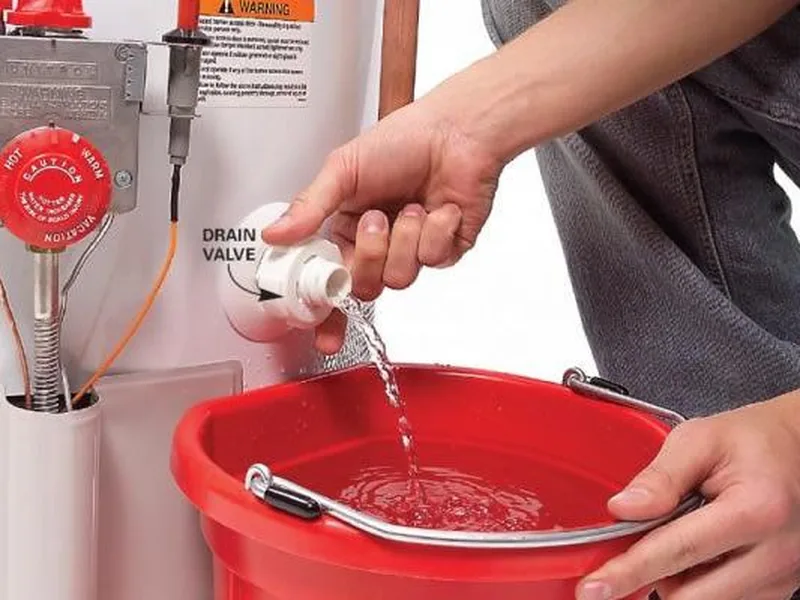
North Attleboro's drain valves fail on two timelines. Near the common, the Victorian-era tanks carry original plastic valves now decades old — brittle, mineral-crusted, seized solid in damp basements, weeping at the stem for months before anyone looks behind the tank. In the postwar neighborhoods, builder-grade valves are hitting the age where plastic gives up: fifteen years of mineral exposure and the handle crumbles, the seals harden, the valve drips. Either way the consequence is the same — a tank that can't be flushed and can't be drained in an emergency, slowly filling with sediment that overheats the bottom and accelerates corrosion. The fix is a full-port brass ball valve: quarter-turn operation, full-bore drainage that actually moves sediment, and a body that doesn't age the way plastic does. In North Attleboro's older homes especially, it's one of those repairs that makes every future service call easier and cheaper.
The Failure Signs Nobody Should Ignore
The hidden cost of a dead drain valve isn't the drip — it's everything the dead valve prevents. A valve that can't open means the tank can't be flushed, and in North Attleboro that matters enormously: North Attleboro's municipal water deposits sediment continuously, and without flushing it accumulates into a thick insulating layer at the tank bottom. The burner or lower element then overheats trying to push heat through it — that's the popping and rumbling from neglected 02760 tanks — efficiency falls, and the overheated bottom accelerates the corrosion the anode rod is fighting. It also means the tank can't be drained quickly in an emergency, turning every future leak into a bigger flood. When we replace a valve in Victorians near the common and postwar capes and ranches, homeowners are often shocked at what comes out in the first real flush — gallons of sediment the tank has carried for years. The valve is small; its absence of function is enormous.
Weeping at the spout, a handle that disintegrates or spins freely, white-green mineral crust on the valve body, or a valve frozen after years of neglect — North Attleboro's older tanks display the full catalog, and replacement beats nursing them along.
What the Service Visit Involves
A proper drain-valve replacement in a North Attleboro home is a methodical job, not a quick twist. First we shut off the cold-water inlet and kill power at the breaker — or set gas to pilot — then let the tank cool, because draining a scalding tank is how people get hurt. We attach a hose and drain the tank below the valve level (fully, if sediment demands it), which on 02760's older tanks can take a while through a clogged valve — we bring clearing tools for exactly this. Then the failed valve comes out: seized plastic gets controlled heat and the right wrench, never brute force that could damage the tank's threads. Threads get cleaned of mineral scale, the new full-port brass ball valve threads in with quality sealant, and the tank refills. We purge air, restore power or gas, pressure-test every connection, and finish with a proper flush so the new valve demonstrates full-bore flow immediately.
Seized old valves get heat and patience rather than force — protecting the tank's threads is the whole game. Out with the failed plastic, threads cleaned, full-port brass in with proper sealant, then a real flush to clear years of sediment and prove the new valve's flow.
The Valve Your Tank Deserves
The factory valve is plastic for one reason: it costs pennies at the factory. It's a narrow-bore nylon or PVC spigot with a multi-turn stem, small seals, and a body that embrittles with heat and mineral exposure — a part designed to survive the warranty period, not the tank's life. In North Attleboro, on North Attleboro's municipal water, that design life expires right on schedule: the seals harden and weep, the body chalks and cracks, the narrow bore clogs with the first serious sediment. We've removed hundreds of these across 02760, and the failure pattern never varies — only the timeline, which runs faster wherever water is hardest or most sediment-laden. Nobody should mourn the plastic valve. It was never meant to last, and replacing it isn't an upgrade so much as a correction.
We install lead-free full-port brass ball valves with quality thread sealant, sized to the tank's drain port — usually three-quarter inch — and we verify the installation under full system pressure before we leave. On North Attleboro calls we also assess the drain path: the valve needs a hose connection that reaches a safe discharge point, and in Victorians near the common and postwar capes and ranches we sometimes find valves installed where draining would flood the very space we're protecting. Where that's the case, we say so and suggest the fix. The valve itself carries the manufacturer's standard coverage, and our installation is backed by our own workmanship standard — if it weeps, sticks, or fails to operate, we make it right. It's a small part installed with the same care we'd give a full tank replacement, because in 02760's water conditions, this small part does outsized work.
After the Swap: Flushing and Maintenance
The new brass valve's first job is the flush the tank has been missing — possibly for years. On North Attleboro calls we flush until the water runs clear, and on 02760's long-neglected tanks that can mean an astonishing volume of sediment: mineral sand, scale flakes, and rust particulate the tank has carried since installation. The effect is immediate and audible — the popping and rumbling quiets, recovery gets faster, and the burner or elements stop overheating. Going forward, the maintenance rhythm for North Attleboro's municipal water is annual flushing: attach a hose, open the brass valve full-bore for several minutes until clear, close it with the same quarter turn. Twenty minutes, once a year, no tools beyond a garden hose. Tanks on this rhythm in North Attleboro routinely outlive their rated life; tanks without it die of sediment and corrosion years early. The valve makes the rhythm possible.
A word of honest scope: the brass valve solves the valve problem completely, but it can't reverse damage already done. If years without flushing have left the tank bottom deeply pitted, if the anode rod died half a decade ago, if the serial number says fifteen-plus years on hard water — the valve still gets replaced (a working valve is valuable on any tank), but we'll tell you plainly where the tank stands overall. In North Attleboro's older housing, Victorians near the common and postwar capes and ranches included, we regularly find tanks where the valve swap is worth doing and the tank still has years left, and tanks where the valve swap should be weighed against planning a replacement. The drained tank in front of us makes the call evidence-based, not speculative. Either way, the (833) 713-2101 visit ends with a straight answer and a clear next step.
One Call, Permanent Fix
Calling (833) 713-2101 takes two minutes. We ask what's happening — dripping, seized, snapped, or trickling — plus gas or electric and the tank's rough age, then schedule the visit: most North Attleboro valve replacements happen within a few days, faster if it's actively leaking. The tech arrives with full-port brass valves in the standard sizes, plus clearing tools for sediment-packed 02760 tanks and thread-restoration tooling for the worst seizures. Ninety minutes to two hours later, the tank is flushed, the brass valve is pressure-tested, and you have a written note of the flushing rhythm your water needs. No return visits, no temporary fixes — the plastic era of your tank is over. Water Heater Leak Repair Crew: call (833) 713-2101.