Signs Your Water Heater Is Leaking Before You See Water
The subtle signs are the ones that matter most, because they buy you time. A water heater that takes longer to recover, or runs out of hot water faster than it used to, may have a compromised dip tube or heavy sediment, both of which stress the tank toward failure. Moisture on the tank jacket that returns after wiping, especially near the base seam, is a classic early tank failure signature. On electric units, a tripped reset button or a breaker that starts nuisance-tripping can indicate water reaching electrical components. Do not ignore the area around the heater either: peeling paint on nearby walls, swollen baseboards, or a cardboard box that feels damp on the bottom all point to moisture that has been present for a while. Any one of these deserves a closer look, and a professional detection visit is a small step compared with the flooring a hidden leak destroys. In Dighton, heaters range from basement units in old colonials to garage installs in newer builds, and river humidity keeps rust moving fast, so catching a leak early makes all the difference.
The Usual Suspects: Common Water Heater Leak Points
Condensation deserves its own mention because it causes so many false alarms. Cold water entering the tank chills the steel, and in humid conditions moisture condenses on the jacket and fittings, dripping down exactly like a leak. Flue gas condensation on gas units adds another mimic, especially with short or cool venting. We distinguish condensation from leakage with simple, reliable tests: wiping the tank dry and watching whether moisture returns in step with the heater's firing cycle or with the weather, and checking whether the water is on cold supply pipes, which sweat, versus the tank base, which should stay dry. Getting this right matters because the fixes are completely different: condensation calls for ventilation or insulation, while a real leak calls for repair or replacement. Accurate detection means never paying for the wrong fix. For Dighton homeowners the takeaway is practical: heaters range from basement units in old colonials to garage installs in newer builds, and river humidity keeps rust moving fast, and a quick professional check settles the question.
Water Heater Leak Detection in Dighton: The Local Picture
In Dighton, river proximity changes the leak detection checklist. Homes near the Taunton River waterfront deal with ambient humidity that keeps every metal surface lightly damp, so we never diagnose by rust color alone; we dry-test fittings and use moisture meters to confirm active seepage versus condensation. Flood-prone pockets add another layer: a heater that has survived a high-water event may have sediment packed into its drain valve and corrosion hidden under the jacket, and we inspect for that history before trusting appearances. Older colonials in the village center often have heaters in basements with old stone foundations where groundwater seeps in spring, and part of our job is separating foundation seepage from heater leaks so homeowners fix the right problem. Outlying homes on wells get the full water-chemistry screen, since mineral-heavy water here eats through tanks faster than town averages suggest. Detection in Dighton is as much about the house's relationship with the river as about the heater itself.
How Professional Leak Detection Works
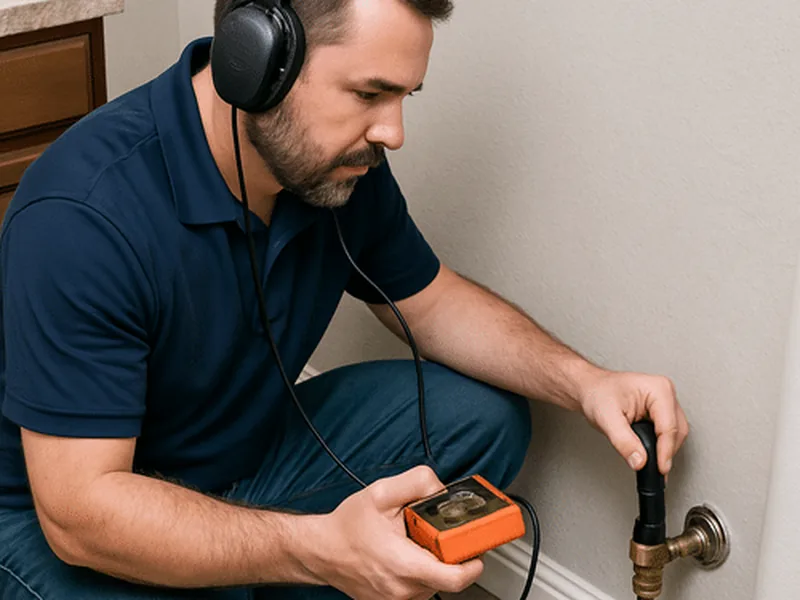
Good detection is as much about ruling out as ruling in. A damp basement has many possible water sources, and we systematically eliminate them: groundwater seepage, which follows rain and appears at walls and floor joints; condensation, which follows humidity and coats cold surfaces; appliance leaks from nearby washers or softeners; and roof or plumbing leaks from above that travel down framing to appear near the heater. Only after these are excluded do we focus on the heater itself, working through fittings, valves, and tank in order. This discipline is what separates professional detection from a quick glance. We have seen heaters replaced for leaks that turned out to be a washing machine hose, and we have seen fitting leaks misdiagnosed as tank failures. The methodical approach takes a little more time and prevents far bigger problems. That matters in Dighton, because heaters range from basement units in old colonials to garage installs in newer builds, and river humidity keeps rust moving fast.
What That Little Leak Is Really Doing
The math of a slow leak surprises most homeowners. A drip every few seconds adds up to gallons per week, and a thin but steady weep can reach dozens of gallons over a month, all of it going exactly where you do not want it. Unlike a burst pipe, which announces itself immediately, a slow leak buys time for secondary damage: mold colonies establish in 24 to 48 hours on damp drywall, wood framing absorbs moisture and invites rot, and concrete wicks water outward to areas far from the heater. Documentation adds another wrinkle: sudden failures are straightforward to explain, while long-term seepage that a homeowner should have addressed raises harder questions. Documenting when you discovered the leak and acting promptly protects both your home and your position. Damage that never happens needs no repair, which is why finding the leak early matters most. Because in Dighton, heaters range from basement units in old colonials to garage installs in newer builds, and river humidity keeps rust moving fast, early detection is worth far more than late repair.
What Happens When You Call
Here is our promise when you dial (833) 713-2101: a real diagnosis, not a sales pitch. Our technician will find where the water is coming from, document it, and walk you through what it means. If it is a minor fitting or valve issue, we will tell you exactly that and fix it if you like. If the tank is failing, we will explain why, show you the evidence, and discuss timing, because a planned replacement beats an emergency every time. We serve Dighton, MA 02715 with the same care we would want in our own homes: shoe covers, clear communication, and no mess left behind. The sooner you call, the more options you have, so do not wait for the puddle to make the decision for you.