What That Little Leak Is Really Doing
Small leaks attack in ways you do not expect. Water traveling along a pipe can emerge feet from the heater, staining a ceiling in the room below or a wall in the next room, and homeowners often repair the stain without finding the source, guaranteeing a repeat. On gas heaters, persistent moisture corrodes the burner and pilot assembly, leading to outages that get misdiagnosed as gas supply problems. On electric units, water reaching wiring or thermostats creates both a failure risk and a safety concern that demands immediate attention. Even the floor suffers structurally: a concrete slab wicks leak water outward under finished flooring, and by the time the laminate buckles, the affected area is far larger than the puddle ever was. Every week a known leak continues is a week of compounding damage, which is why detection followed by prompt action is the whole game. That matters in North Attleboro, because heaters range from basement units in 1900s homes to utility-closet installs in newer construction.
Signs Your Water Heater Is Leaking Before You See Water
Leaks rarely start with a puddle. They start with clues. Discolored hot water, even slightly rusty, tells you the anode rod is exhausted and the tank steel is now corroding. Warm spots on the floor near the heater, or a patch of concrete that never quite dries, point to a slow base leak wicking outward. Check the temperature-pressure relief valve discharge pipe: any dripping there means the valve is weeping or the system pressure is running high. Look up, as well: water stains on the ceiling below an upstairs heater, or on the wall behind the tank, trace back to fitting leaks that spray a fine mist. In humid weather, be careful not to confuse pipe condensation with a leak; condensation follows the weather, while a real leak persists in dry conditions. When in doubt, dry everything with a towel and check again in a few hours. Fresh wetness is your answer. Because in North Attleboro, heaters range from basement units in 1900s homes to utility-closet installs in newer construction, early detection is worth far more than late repair.
The Usual Suspects: Common Water Heater Leak Points
Tank leaks themselves follow a pattern worth understanding. Steel tanks corrode from the inside out, which means the jacket can look acceptable while the steel beneath is failing. The bottom seam and the area around the drain valve go first, because sediment settles there, trapping moisture against the steel and accelerating corrosion. Glass-lined tanks resist this until the lining cracks, usually at welds and fittings, and then corrosion concentrates at the breach. Once a tank seam weeps, it does not heal; the leak only grows, sometimes slowly for months, sometimes suddenly. That is why we treat any confirmed tank-base moisture as a replacement conversation, not a repair: patching a tank is not a real option, and the question becomes timing. A planned replacement on your schedule always beats an emergency one on the leak's schedule. In North Attleboro, heaters range from basement units in 1900s homes to utility-closet installs in newer construction, so catching a leak early makes all the difference.
Water Heater Leak Detection in North Attleboro: The Local Picture
North Attleboro detection work spans Victorian-era plumbing chases and modern utility closets. In the historic homes near downtown, heaters sometimes sit in basements with original or early-1900s piping still in service nearby, and our detection includes tracing which lines are actually live, since abandoned lines can weep at old valves and mimic a heater leak. The Ten Mile River floodplain touches low streets, so spring dampness is background noise we calibrate out with comparative moisture readings. WWI Memorial Park area neighborhoods with mature trees add root-intrusion concerns for drain lines, which matters when a pan drain is supposed to carry leak water away but cannot. In the large modern subdivisions, heaters live in accessible utility rooms and detection is quick, but we still run the full protocol, because a pinhole fitting leak in a new home does as much drywall damage as in an old one. Across North Attleboro, we document findings with photos so homeowners see exactly what we see.
Ready When You Are: What Happens Next
Here is our promise when you dial (833) 713-2101: a real diagnosis, not a sales pitch. Our technician will find where the water is coming from, document it, and walk you through what it means. If it is a minor fitting or valve issue, we will tell you exactly that and fix it if you like. If the tank is failing, we will explain why, show you the evidence, and discuss timing, because a planned replacement beats an emergency every time. We serve North Attleboro, MA 02760 with the same care we would want in our own homes: shoe covers, clear communication, and no mess left behind. The sooner you call, the more options you have, so do not wait for the puddle to make the decision for you.
How Professional Leak Detection Works
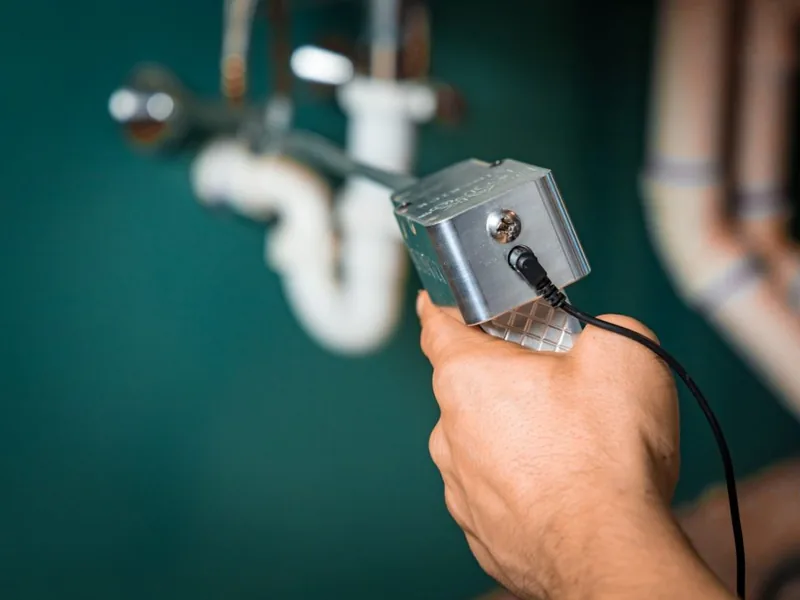
Every detection visit ends with documentation and straight talk. We photograph what we find, record moisture readings, and show you the evidence, not just the conclusion. Then we lay out options in plain terms: what can be repaired, what should be monitored, and what needs replacement, with the reasoning for each. If the tank itself is failing, we explain why repair is not viable and what a planned replacement involves, so you can decide on timing rather than being forced into an emergency. If the problem is a fitting or valve, we explain the repair and what to watch afterward. We also flag contributing conditions, high system pressure, a failed expansion tank, aggressive water chemistry, because fixing the leak without addressing the cause invites a repeat. You leave the visit knowing exactly where you stand. For North Attleboro homeowners the takeaway is practical: heaters range from basement units in 1900s homes to utility-closet installs in newer construction, and a quick professional check settles the question.