What That Little Leak Is Really Doing
There is also the hidden toll of waiting: the emergency premium. A leak found early becomes a scheduled repair or a planned replacement, done on your timeline with time to choose equipment and get the details right. The same leak found late becomes an emergency call, water extraction, potential mold remediation, and a replacement chosen in a hurry. We have watched this play out hundreds of times, and the difference in total outlay is dramatic, often several times over. Beyond money, there is the disruption: a planned replacement takes a few hours, while a flood recovery takes weeks of drying equipment, contractor visits, and displaced living space. When you notice the first sign, a damp smell, a rust streak, a suspicious stain, that is the moment when you have the most options and the lowest outlay. Acting then is the wisest move in home maintenance. That matters in Swansea, because heaters in older Swansea homes frequently occupy damp fieldstone cellars where rust gets a head start.
Signs Your Water Heater Is Leaking Before You See Water
Your senses pick up leaks before your eyes do. That faint hot, metallic smell near the heater often accompanies the first internal corrosion breakthrough. A floor drain that seems damper than usual, or a sump pit cycling more often without rain, can mean leak water is finding its way there. If the heater shares space with a furnace or boiler, listen for new hissing or sizzling sounds that suggest water meeting hot surfaces. Visual checks should include the top of the tank, where inlet and outlet fittings live: green corrosion on copper, rust on steel nipples, or mineral crust at threaded joints all signal slow weeps. Also inspect the draft hood area on gas units for rust streaks, which indicate flue gas condensation or water intrusion from above. Catching any of these early turns a potential flood into a scheduled repair. Because in Swansea, heaters in older Swansea homes frequently occupy damp fieldstone cellars where rust gets a head start, early detection is worth far more than late repair.
Water Heater Leak Detection in Swansea: The Local Picture
Swansea's older homes make detection a study in layered history. Fieldstone and block basements in farmhouses and capes stay naturally damp from Coles River humidity, and heaters sitting in those cellars develop exterior rust early, which means we diagnose by moisture activity, not by rust color. Our protocol starts with establishing the cellar's normal dampness baseline, then looking for the localized spike that indicates a real leak. Old galvanized supply lines are common here, and they sweat and weep at threaded joints, dripping onto heater tops in a perfect imitation of tank failure; we isolate each joint with dry testing before condemning any tank. Newer subdivisions get the standard modern protocol, but we still check water chemistry, since some Swansea wells run mineral-heavy. The historic village's antique homes sometimes have heaters in spaces so tight we work with mirrors and borescopes, and we always verify the relief valve discharge termination, the most commonly hidden leak path in cramped installs.
The Usual Suspects: Common Water Heater Leak Points
Not every wet heater has a failed tank, and the distinction saves real money. Supply-line fittings above the heater are prime suspects: a pinhole in an old copper elbow can mist downward for weeks, landing on the tank jacket and running down to the base, creating a perfect illusion of tank failure. Dielectric unions, the special fittings that join copper to steel, are designed to prevent galvanic corrosion but eventually corrode themselves. The cold-water inlet dip tube area and the hot-water outlet nipple both see constant thermal stress and are common weep points. Then there is the relief valve, which discharges for legitimate reasons, high pressure, overheating, and for illegitimate ones, a tired spring. We test each suspect independently: drying, isolating, and observing, rather than condemning the whole heater on a first glance. In Swansea, heaters in older Swansea homes frequently occupy damp fieldstone cellars where rust gets a head start, so catching a leak early makes all the difference.
Ready When You Are: What Happens Next
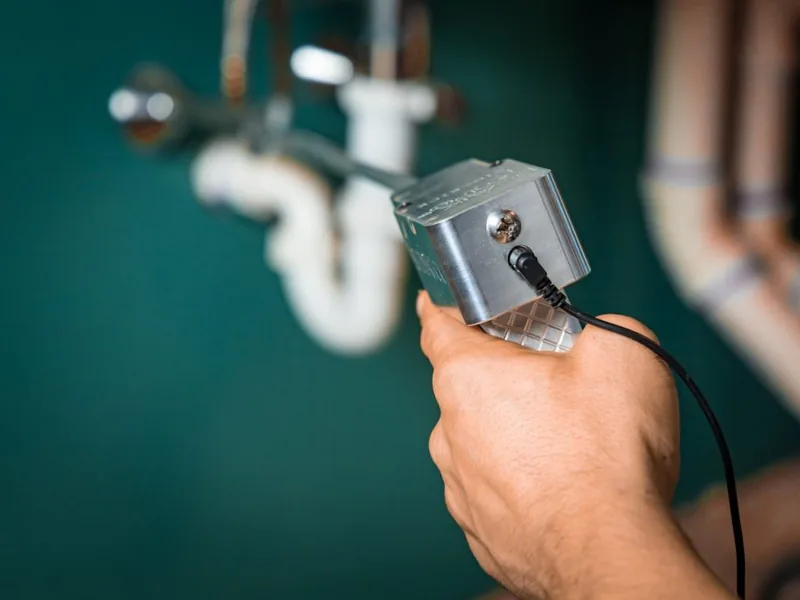
When you call (833) 713-2101, here is what happens. We schedule a detection visit at a time that works for you, and our technician arrives with the full diagnostic toolkit: moisture meters, thermal imaging, and pressure testing gear. The visit usually takes under an hour. We trace the moisture to its exact source, show you the evidence, and explain your options plainly: repair, monitor, or plan a replacement. There is no pressure and no obligation beyond the diagnosis. If the fix is simple, we can often handle it on the spot. If the tank is failing, we will give you a straight assessment of timing so you can plan rather than panic. Serving Swansea, MA 02777 and surrounding towns, we answer when you call.
How Professional Leak Detection Works
Good detection is as much about ruling out as ruling in. A damp basement has many possible water sources, and we systematically eliminate them: groundwater seepage, which follows rain and appears at walls and floor joints; condensation, which follows humidity and coats cold surfaces; appliance leaks from nearby washers or softeners; and roof or plumbing leaks from above that travel down framing to appear near the heater. Only after these are excluded do we focus on the heater itself, working through fittings, valves, and tank in order. This discipline is what separates professional detection from a quick glance. We have seen heaters replaced for leaks that turned out to be a washing machine hose, and we have seen fitting leaks misdiagnosed as tank failures. The methodical approach takes a little more time and prevents far bigger problems. For Swansea homeowners the takeaway is practical: heaters in older Swansea homes frequently occupy damp fieldstone cellars where rust gets a head start, and a quick professional check settles the question.